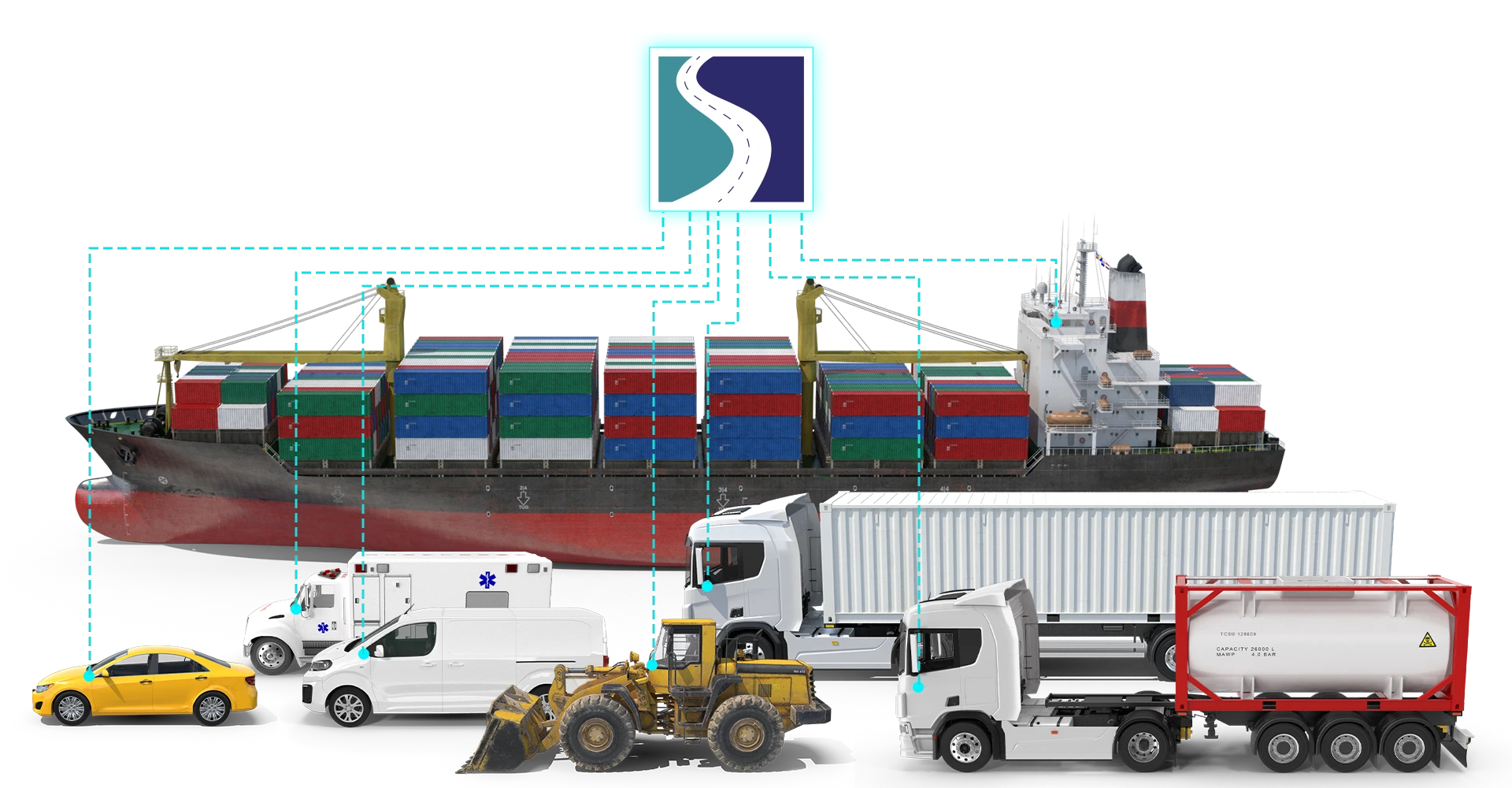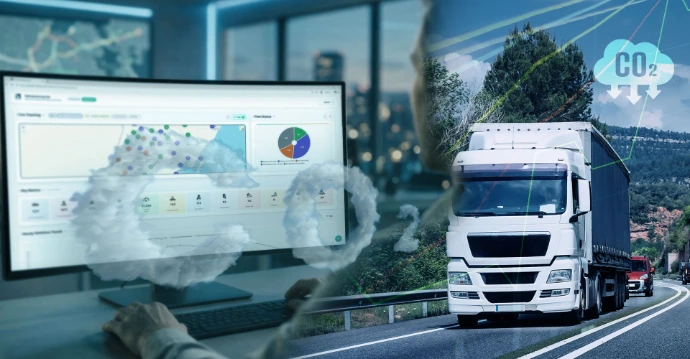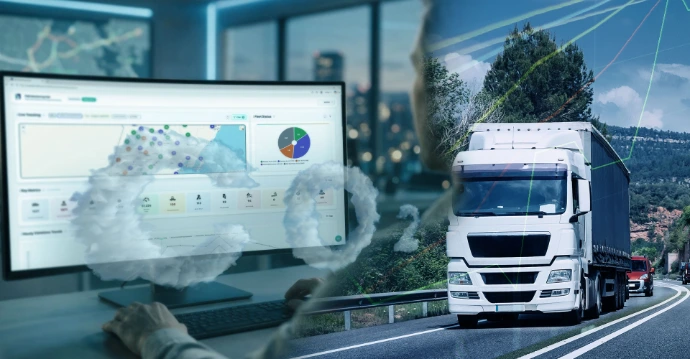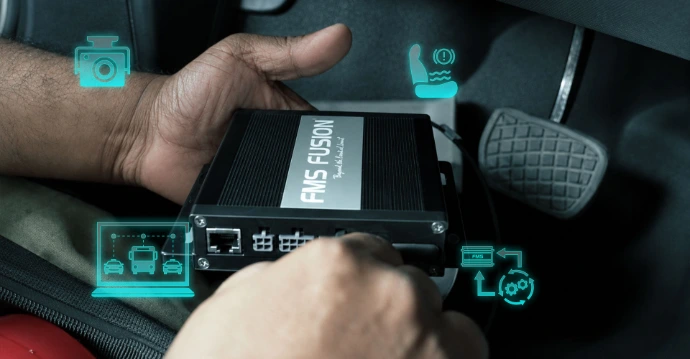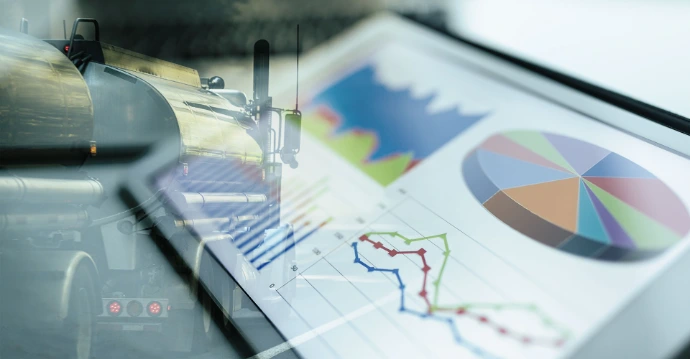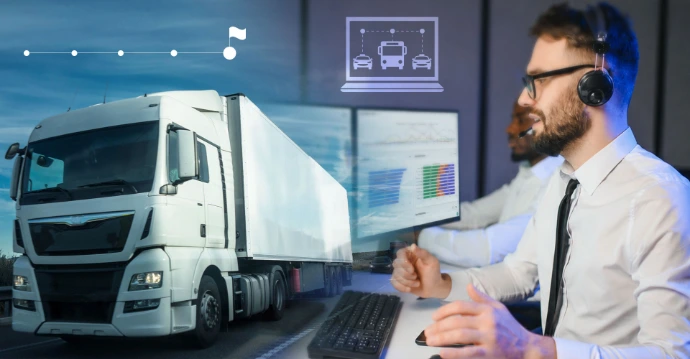
In today’s fast-moving economy, logistics, transportation, and field services depend heavily on a core operational strategy: Fleet Management. At its foundation, fleet management encompasses the end-to-end administration of commercial vehicles including light-duty delivery vans, heavy-duty trucks, field equipment, and specialized transport to optimize operational efficiency, lower fuel consumption, improve driver safety, and maintain regulatory compliance.

Global market research indicates rapid investment and rapid scaling in intelligent fleet technologies:
According to market research by Global Market Insights, the global fleet management market is valued at over $30 billion in 2026, projected to exceed $120 billion by 2035 at a compound annual growth rate (CAGR) of 16.9%
Precedence Research estimates the broader smart fleet management market at $401 billion in 2026, driven by high adoption of Advanced Driver Assistance Systems (ADAS), telematics hardware, and cloud analytics.
Insurance providers and fleet operators will rely on standardized driver scorecards to dynamically adjust insurance premiums and risk exposure models.
Enterprise telematics deployments yield a 10–15% reduction in fuel consumption, up to a 25% decrease in accident-related costs, and significant improvements in driver safety Key Performance Indicators (KPIs).
Metric Category | 2026 Industry Benchmark / Projection |
|---|---|
Telematics Market Growth | 16.2% CAGR (2025–2030) |
Safety Cost Reductions | Up to 25% Reduction in Accident Costs |
Fuel Overhead Optimization | 10%–15% Average Reduction in Fuel Use |
On-Time Delivery Boost | 15% Improvement in SLA Performance |

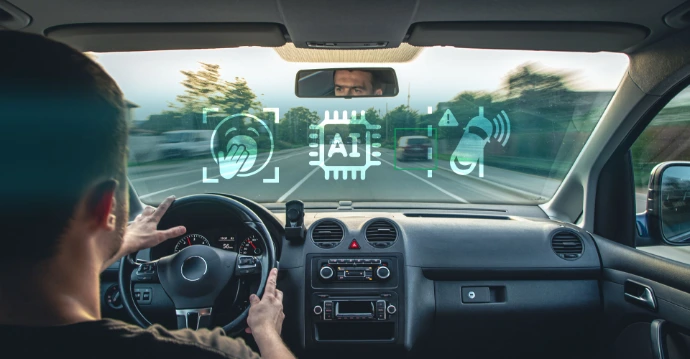
In previous years, video telematics relied heavily on recording video footage and uploading it to the cloud for post-event analysis. In 2026, Edge AI processes visual and sensory data directly inside the vehicle in real time.
Driver Monitoring Systems (DMS)/ Active Fatigue and Distraction Detection (AFDD): High-definition dual cameras scan facial expressions and eye movements to detect signs of drowsiness, micro-sleep, or mobile phone distraction, triggering instant localized alerts (audible tones or seat vibrations).
Advanced Driver Assistance Systems (ADAS): Edge vision algorithms scan external surroundings to alert drivers of imminent forward collisions, lane drift, or vulnerable pedestrians in real time.
Automated Coaching Workflows: Software automatically logs safety events, compiles individualized driver safety scorecards, and triggers targeted micro-coaching modules without administrative oversight.

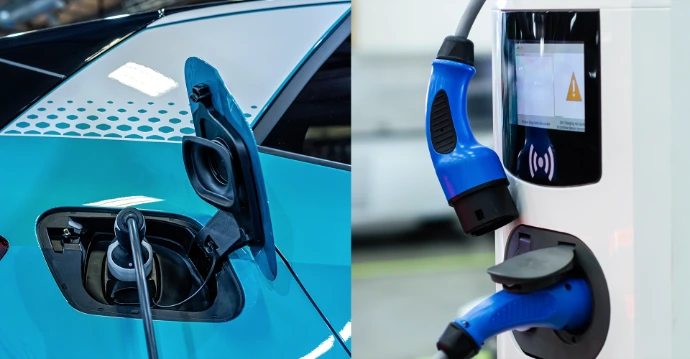
As regulatory decarbonization metrics intensify across urban centers, commercial fleets are increasingly operating mixed-fuel or all-electric vehicle pools. Managing an EV fleet requires dynamic software capabilities beyond basic fuel monitoring:
Range & Payload Predictive Math: Fleet software calculates vehicle driving range by factoring in real-time payload weight, route topography, driver cab heating/AC usage, and ambient weather.
Smart Charging & Utility Grid Integration: Fleet systems interface directly with local power grid pricing to automatically initiate fleet charging during off-peak energy hours, preventing costly demand-charge tariffs.

Maintenance management has progressed from simple
mileage intervals to automated diagnostic monitoring.
When telematics hardware reads anomalous engine RPM, thermal spikes, or fault codes via OBD-II/CAN-bus connections, software ecosystems do not merely register an alert. Modern systems log the fault, cross-reference scheduled vehicle shifts, and automatically route job orders to workshop management portals to prevent roadside breakdowns.

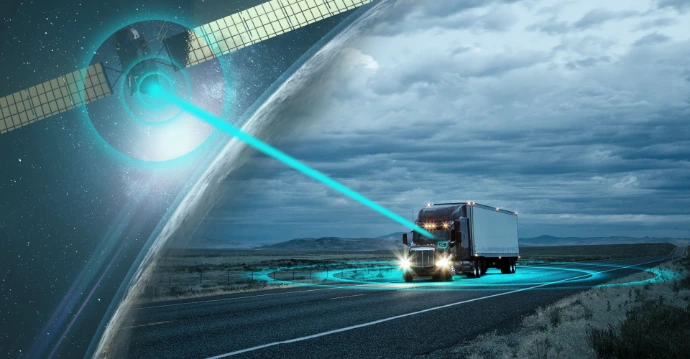
As fleets expand into remote regions—such as mining sites, cross-border freight routes, or specialized transit corridors—uninterrupted data transmission is critical.
![]()
With strict global mandates on corporate sustainability, telematics platforms now act as primary engines for ESG (Environmental, Social, and Governance) compliance:.
![]()
With strict global mandates on corporate sustainability, telematics platforms now act as primary engines for ESG (Environmental, Social, and Governance) compliance:.
Capability Era | Early 2020s | Mid 2020s | 2026 & Beyond |
|---|---|---|---|
Data Processing | Basic GPS location & post-trip cloud upload | Cloud dashboards & basic API integrations | Edge AI processing on-board in real time |
Safety Management | Basic passive dashcams | Event-triggered video recording | Proactive DMS/AFDD/ADAS with instant in-cab feedback |
Maintenance Model | Time or mileage-based preventive service | Sensor-triggered fault alerts | Prescriptive auto-scheduling & repair routing |
Connectivity | Standard 2G/3G tracking | Modular 5G, IoT, & LEO Satellite failover | Connectivity |
Capability Era | Early 2020s | Mid 2020s | 2026 & Beyond |
|---|---|---|---|
Data Processing | Basic GPS location & post-trip cloud upload | Cloud dashboards & basic API integrations | Edge AI processing on-board in real time |
Safety Management | Basic passive dashcams | Event-triggered video recording | Proactive DMS/AFDD/ADAS with instant in-cab feedback |
Maintenance Model | Time or mileage-based preventive service | Sensor-triggered fault alerts | Prescriptive auto-scheduling & repair routing |
Connectivity | Standard 2G/3G tracking | Modular 5G, IoT, & LEO Satellite failover | Connectivity |
Looking toward the future, fleet management will continue shifting toward autonomous workflows and interconnected smart infrastructure:

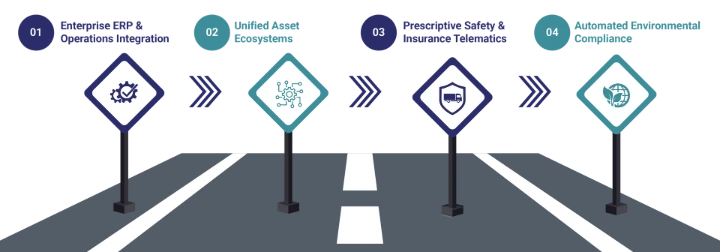
IVMS data will feed directly into ERP systems, automated billing software, and custom dispatch modules to handle job completion and trip logs end-to-end.
Heavy equipment, stationary generators, cold-chain trailers, and light vehicle fleets will be monitored through single-pane-of-glass cloud platforms.
Insurance providers and fleet operators will rely on standardized driver scorecards to dynamically adjust insurance premiums and risk exposure models.
Automated carbon reporting will track Scope 1 (direct emissions from owned sources) and Scope 3 (all other indirect emissions across the value chain) emissions automatically, serving as a standard metric for enterprise contract bidding.
To remain competitive in 2026, fleet administrators should prioritize five strategic steps

Ensure telematics units and vision sensors process analytics locally to enable instant safety warnings and reduce cellular data costs.

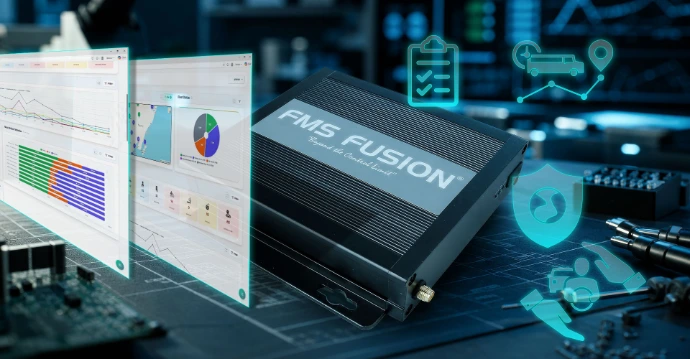
Invest in telematics hardware that supports expandable inputs such as dual cameras, driver ID readers, and diagnostic sensors to adapt to evolving operational requirements.

Use driver scorecards and structured safety metrics to foster proactive coaching and reduce accident-related downtime.

Consolidate telematics, driver management, maintenance, and route planning into a unified software platform to eliminate information bottleneck.

Utilize unified cloud platforms capable of aggregating tracking, maintenance, and environmental reporting in real time.
![]()
With strict global mandates on corporate sustainability, telematics platforms now act as primary engines for ESG (Environmental, Social, and Governance) compliance:.
Capability Era | Early 2020s | Mid 2020s | 2026 & Beyond |
|---|---|---|---|
Data Processing | Basic GPS location & post-trip cloud upload | Cloud dashboards & basic API integrations | Edge AI processing on-board in real time |
Safety Management | Basic passive dashcams | Event-triggered video recording | Proactive DMS/AFDD/ADAS with instant in-cab feedback |
Maintenance Model | Time or mileage-based preventive service | Sensor-triggered fault alerts | Prescriptive auto-scheduling & repair routing |
Connectivity | Standard 2G/3G tracking | Modular 5G, IoT, & LEO Satellite failover | Connectivity |
Ready to transform your logistics efficiency, reduce operating overhead, and protect your drivers on the road? Contact our solution experts today to schedule a personalized platform demonstration and see how modern fleet intelligence can empower your organization.